I consider myself one of the luckiest people on Earth. I grew up in a Palestinian town in Israel, the youngest of nine siblings. Although our circumstances were humble, we were always well nourished in both body and soul. The secret of our family’s well-being was my mother, Rasmyee, and her cooking. She embodies the culture of Palestine: our love of food and our instinct to care for the people around us. She shaped my palate and set the standard for everything Qanoon represents.
The valley where I grew up was filled with apricot, olive, citrus and almond trees. The temperate Mediterranean climate allowed us to farm year-round. We grew everything from cabbage, lettuce, tomatoes, broccolini, peppers, cucumbers and fennel to peanuts. My favorite place was beside my mother, helping her in the kitchen and watching her transform vegetables harvested from our farm into unforgettable meals.
With her guidance, I learned the recipes for many traditional Palestinian dishes. At only twelve years old, I perfected my first Bamya bil Lahme, a classic okra and lamb stew.

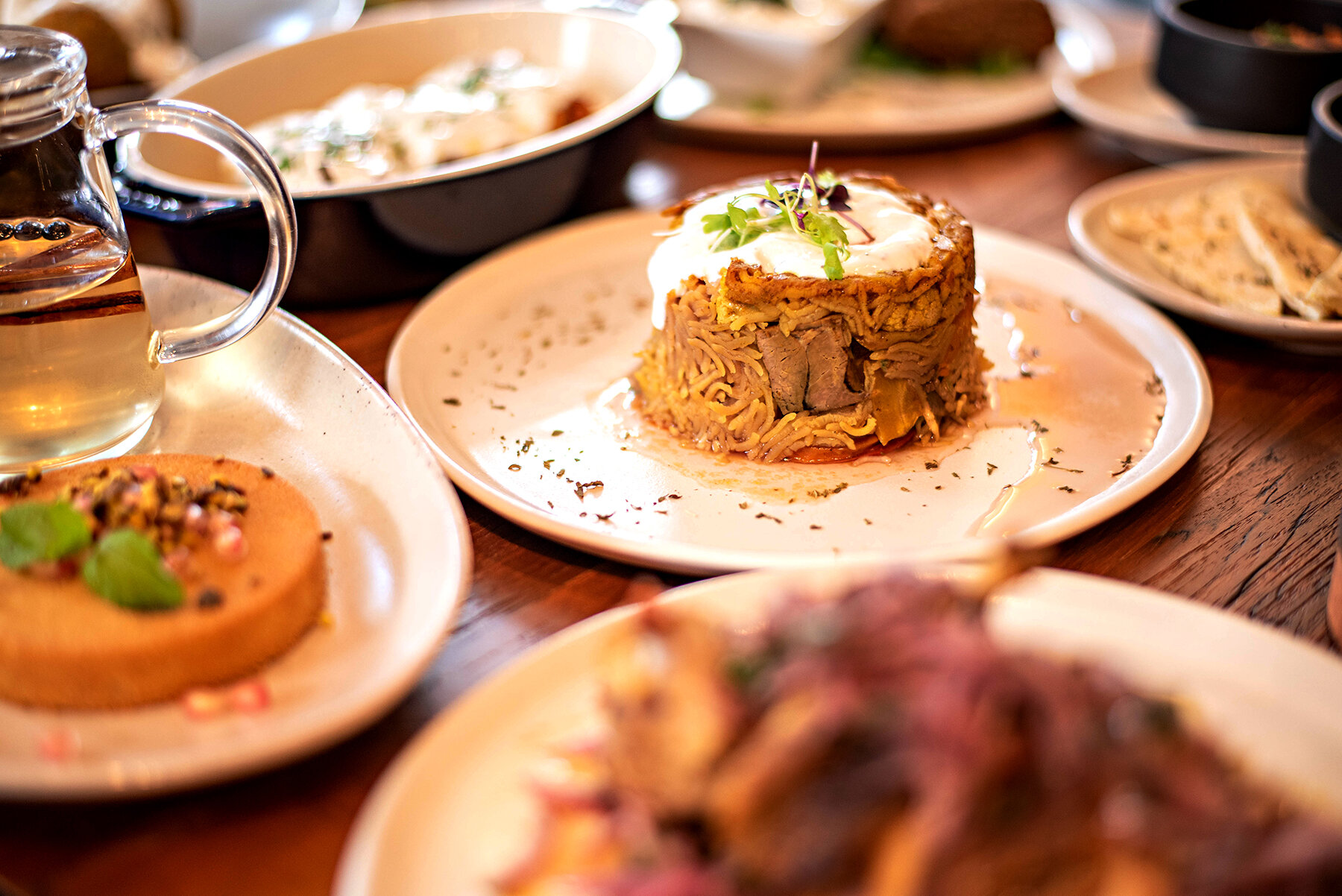
When I was seventeen, it was time to find work in Tel Aviv and help support my large family. I carried groceries with my cousins and refused to eat until I returned home late at night. After a long day’s work, my mother would be waiting with dishes such as makloubeh—a savory combination of rice, eggplant and meat—or molokhia, a nourishing soup made from leaves picked on our farm. Eating her food after a full day was one of the greatest joys of my life.
Sometimes she sent me to Tel Aviv with prepared meals, but I still waited until my shift ended. I would walk for thirty minutes through the city to neighborhoods known for fine dining, carrying my mother’s food with me. Somehow, eating her cooking alongside those celebrated restaurants felt like the proper tribute to her talent.
Every week while studying at Hebrew University, I returned home to visit my parents. My mother sent me back with enough food for my friends and me to share throughout the week. The tradition continued during my MBA studies. When I could not visit, she would convince my father to drive her dishes to us at Tel Aviv University.
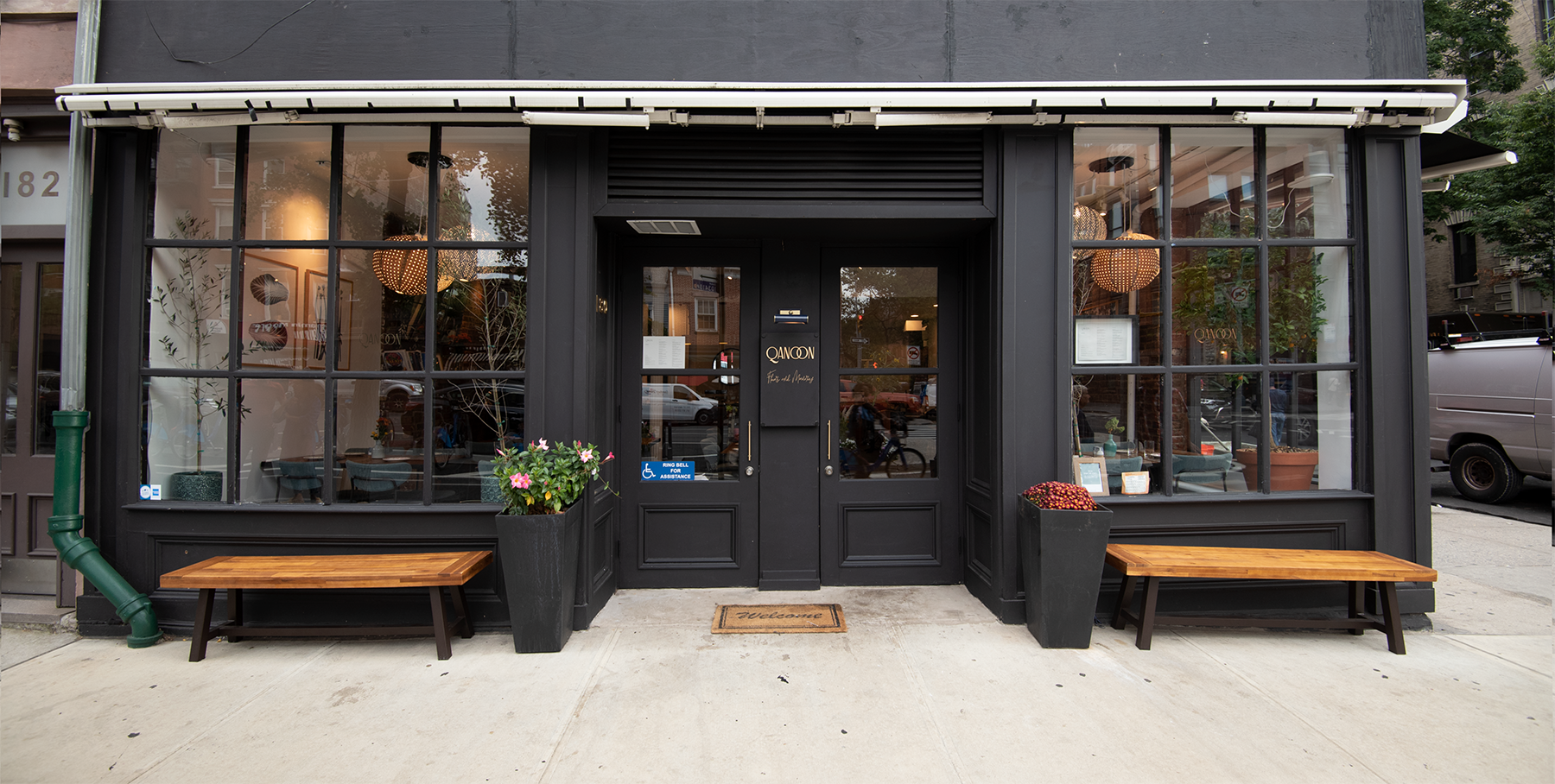
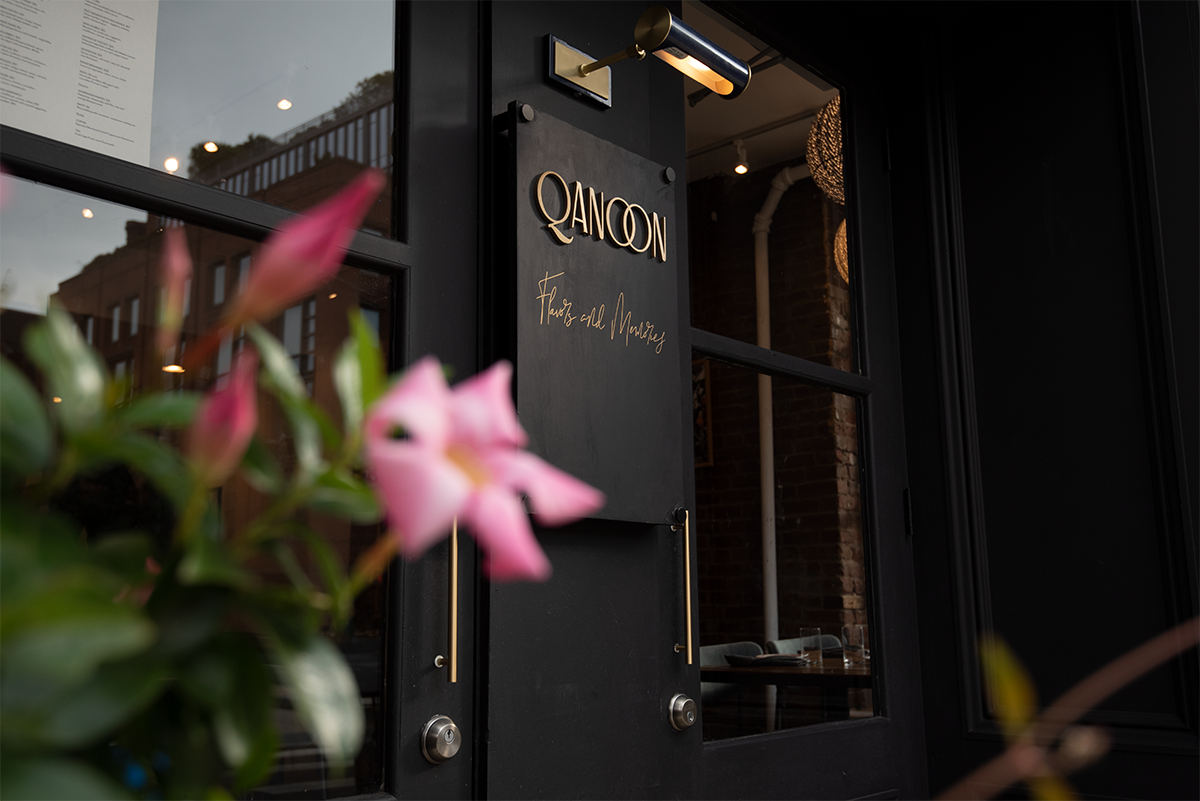
I did not realize it then, but I was already on the path to becoming a restaurateur. I have been away from the farm for more than twenty years, first pursuing a career in business and finance and later building restaurants in New York City. Qanoon is my personal journey to bridge the distance between my birthplace and Chelsea, the neighborhood I now call home. It is a celebration of my mother’s cooking and the Palestinian dishes I could not find anywhere else. Qanoon is where New Yorkers can taste and enjoy Rasmyee’s recipes.
Qanoon means “grill” in Arabic. On our farm, we used the grill for everything: baking pita and za’atar bread, preparing muhammara and other dips, making coffee and tea, and cooking meat and vegetables. The traditional spelling would be Kanoon, but my siblings and I love the sound of the qanun, the Arabic string instrument. I loved it so much that I replaced the “K” with a “Q”—and that is how the name Qanoon was born.
— Tarek Daka, Chef and Founder